What Panchakarma actually is
Panchakarma (literally "five actions") is the classical Ayurvedic system of bio-purification. It is not a massage package and it is not a spa treatment. It is a staged medical procedure in which accumulated metabolic waste — ama — and aggravated doshas are first mobilised from the deeper tissues, then physically eliminated from the body through the nearest appropriate route.
The distinction matters, because a great deal of what is marketed as "Panchakarma" in and around Pune is a sequence of oil massages with no elimination phase at all. A genuine programme has three parts, and skipping any one of them changes the outcome.
The three stages of a genuine programme
- Purvakarma (preparation) — Snehana (internal and external oleation) and Swedana (herbal steam) soften the tissues and move the doshas toward the gastrointestinal tract. Typically 3–7 days.
- Pradhankarma (the main procedure) — one or more of the five eliminative therapies, selected for your condition and constitution.
- Paschatkarma (aftercare) — a graduated diet (Samsarjana Krama) that rebuilds digestive fire, plus lifestyle guidance. This stage is where most of the lasting benefit is either secured or lost.
The five procedures, and who each one suits
Selecting the right procedure is a clinical decision, not a menu choice. It depends on which dosha is aggravated, where it has lodged, your digestive strength, age and overall condition. At consultation, Dr. Neha assesses your Prakriti (constitution) and Vikriti (current imbalance) before recommending anything.
| Procedure | Dosha addressed | Commonly indicated for |
|---|---|---|
| Vaman (therapeutic emesis) | Kapha | Bronchial asthma, chronic sinusitis, skin disorders, obesity, some hormonal conditions |
| Virechana (purgation) | Pitta | Psoriasis and other skin conditions, hyperacidity, liver disorders, chronic constipation |
| Basti (medicated enema) | Vata | Low back pain, sciatica, arthritis, neurological conditions, paralysis rehabilitation |
| Nasya (nasal medication) | Kapha & Vata (head region) | Migraine, sinusitis, cervical spondylosis, hair fall, ENT complaints |
| Raktamokshan (blood-letting) | Pitta & Rakta | Psoriasis, eczema, vitiligo, varicose veins, recurrent boils |
Basti is regarded in the classical texts as the single most powerful of the five — Charaka Samhita describes it as half of all treatment — because Vata governs movement throughout the body, and most chronic complaints have a Vata component by the time they become chronic.
What a programme involves, practically
Patients most often ask about duration and disruption, so here is the honest picture.
How long it takes
A focused programme for an acute or localised complaint may run 7 to 14 days. A full classical Panchakarma addressing a chronic condition typically runs 21 to 30 days, including preparation and aftercare. Shorter "one-day Panchakarma" offerings cannot include a meaningful Purvakarma phase, which is why we do not offer them.
Daily commitment
Most sessions take 45–90 minutes. Purvakarma days are usually comfortable and can fit around work. The main elimination days — particularly Vaman and Virechana — require rest, and you should plan not to work on those days.
Diet during treatment
Diet is part of the treatment, not an optional extra. You will receive a specific Pathya (dietary regimen) matched to your protocol — generally warm, light, easily digestible food. Following it is what separates patients who hold their results from patients who relapse within months.
Panchakarma at Vishwashreeja, Ravet
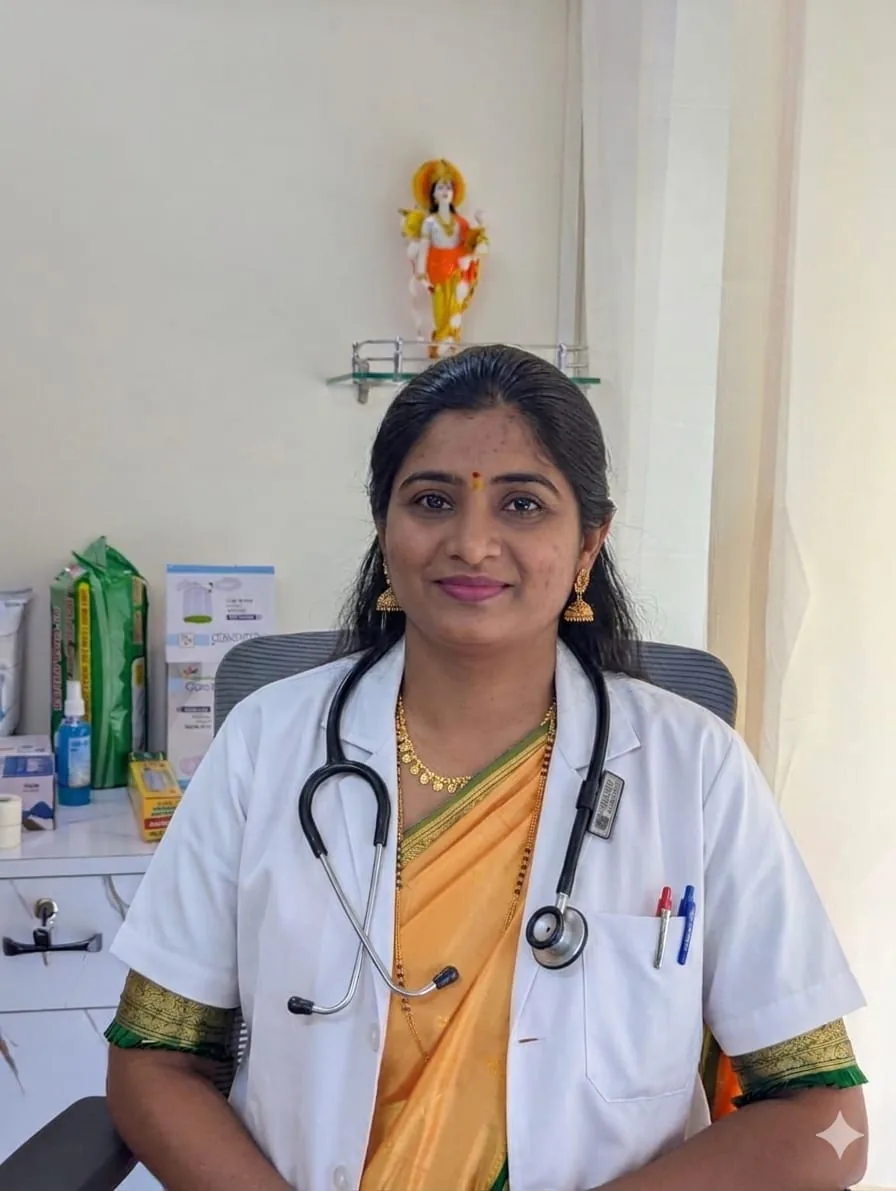
Our clinic at 101 High Street Mall in Ravet has dedicated therapy rooms with separate arrangements for male and female patients. Every procedure is performed or directly supervised by Dr. Neha Kulkarni-Pimpale, who holds a B.A.M.S. and an M.D. in Ayurveda — not delegated to unsupervised technicians.
We are a short drive from Pimpri-Chinchwad, Punawale, Tathawade, Wakad, Akurdi and Nigdi, with parking available at the mall.
Common questions
Is Panchakarma safe?
Performed by a qualified Ayurvedic physician after proper assessment, it is well tolerated. The safety question is really a screening question: Vaman and Virechana are not appropriate for everyone — for example during pregnancy, in the very elderly, or where digestive strength is severely compromised. This is precisely what the initial consultation establishes.
Can I continue my allopathic medication?
In most cases yes, and you should not stop prescribed medication on your own. Bring your current prescriptions to the consultation so that timing and any herb–drug interactions can be managed properly.
Will one course cure my condition permanently?
That depends entirely on the condition. Some acute presentations resolve and do not return. Chronic and constitutional conditions are usually managed rather than cured, and many patients repeat a shorter seasonal programme annually. Any clinic promising a guaranteed permanent cure for a chronic disease is overselling.
Book a consultation
The starting point is always an assessment — there is no standard package we apply to everyone. Consultations run Monday to Sunday, 9:00 AM to 8:00 PM, closed Wednesdays.
Related treatments
This page is general health information about classical Ayurvedic practice and is not a substitute for individual medical advice, diagnosis or treatment. Outcomes vary between patients. Please consult a qualified physician before beginning any therapy, and do not discontinue prescribed medication without speaking to the doctor who prescribed it.