Migraine in Ayurvedic terms
Classical Ayurveda describes migraine as Ardhavabhedaka — literally "splitting half the head" — an unusually precise match for the unilateral presentation most patients report. It is understood as a Vata-Pitta disorder: Vata drives the throbbing, sensitivity and unpredictability, while Pitta accounts for the burning quality, nausea, light intolerance and the tendency for attacks to worsen with heat, hunger and stress.
That framing matters clinically, because it directs treatment at the pattern behind the attacks rather than at the pain of a single episode. Analgesics manage the episode; the aim here is a reduction in frequency and intensity over a course of weeks.
The core protocol: Nasya
Nasya is the central therapy for migraine. Medicated oil is instilled into the nostrils after a preparatory face and neck massage with steam, reaching the nasal mucosa and paranasal sinuses directly. The classical texts describe the nose as the gateway to the head (nasa hi shiraso dwaram), and this is the most direct route Ayurveda has for treating conditions above the neck.
A typical course runs 7 to 14 consecutive mornings, using preparations such as Shadbindu Taila or Anu Taila selected for the presentation. Sessions take about 30 minutes. Patients frequently report improvement in accompanying sinus congestion and sleep quality alongside the headache itself.
Shirodhara for the stress component
Where attacks are clearly triggered by stress, poor sleep or long screen hours — the pattern we see constantly in IT professionals from Hinjewadi, Wakad and Pimpri-Chinchwad — Shirodhara is added alongside Nasya. A continuous stream of warm medicated oil over the forehead for 30 to 45 minutes, usually across 7 to 14 days.
A typical migraine programme
- Consultation — attack diary, trigger mapping, examination, review of any imaging already done
- Purvakarma — Snehana and Swedana to the head, neck and shoulders
- Nasya — 7 to 14 mornings
- Shirodhara — where stress or insomnia is a driver
- Virechana — considered where the Pitta component is dominant
- Internal medication and diet — Pitta-pacifying regimen, regular meal timing, trigger elimination
- Review — at 4 to 6 weeks, measured against your baseline attack frequency
Triggers we work on with you
Much of the durable improvement comes from things that happen outside the clinic. The triggers we most often identify are skipped or delayed meals, insufficient or irregular sleep, dehydration, prolonged screen exposure without breaks, fermented and aged foods, excess caffeine, and in women the premenstrual window. We will ask you to keep a simple headache diary for a few weeks — it is unglamorous and it is often the most informative thing in the file.
When you should see a neurologist first
Not every headache is a migraine, and some warrant urgent conventional assessment. Please seek medical attention promptly — before booking Ayurvedic treatment — if you have a sudden severe "worst ever" headache, a headache with fever and neck stiffness, new neurological symptoms such as weakness, numbness or visual loss, a headache following head injury, a headache that is progressively worsening day on day, or a new headache pattern beginning after the age of 50. We refer patients on when these features are present, and we would rather do that than treat around something serious.
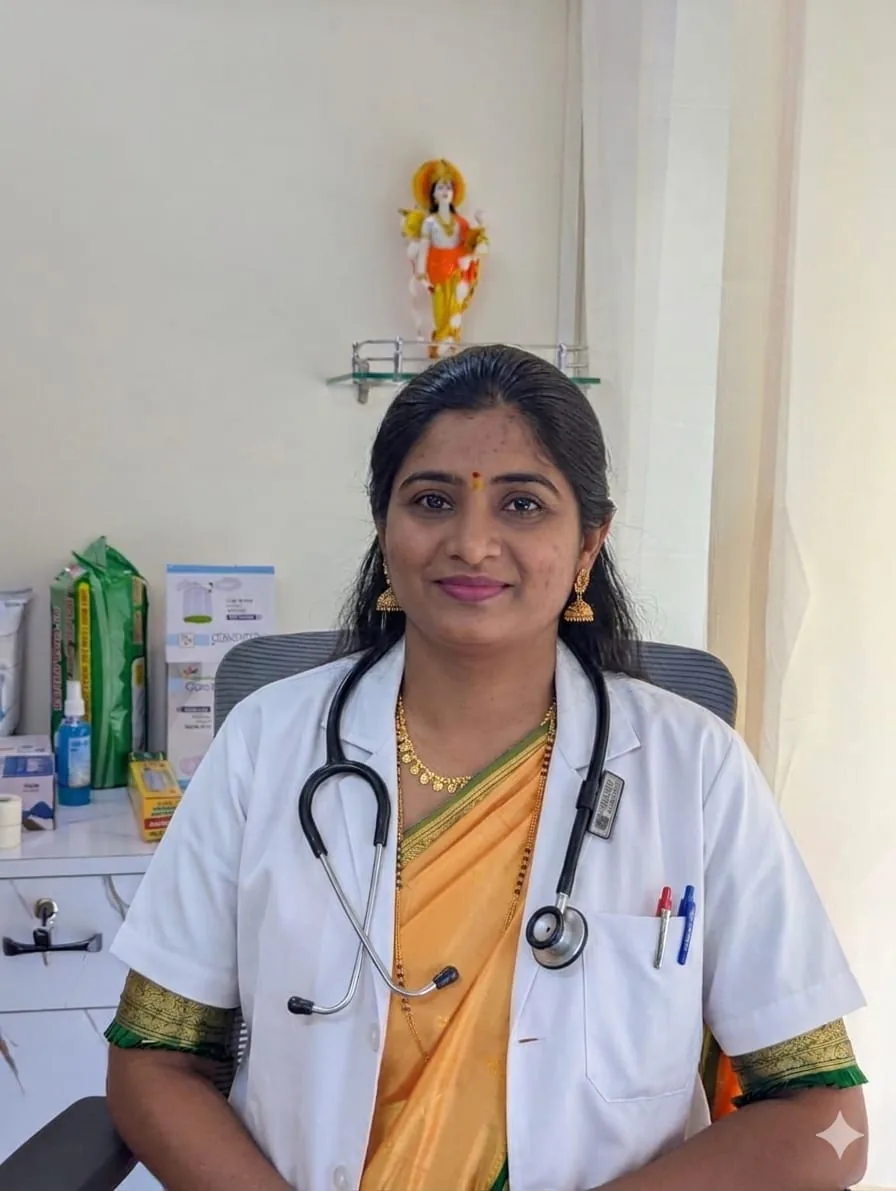
Book a consultation in Ravet
Assessment comes first — we do not apply a standard package to everyone. Consultations run Monday to Sunday, 9:00 AM to 8:00 PM, closed Wednesdays. Please bring any recent investigations or reports with you.
Related treatments
This page is general health information about classical Ayurvedic practice and is not a substitute for individual medical advice, diagnosis or treatment. Outcomes vary between patients and no outcome is guaranteed. Please consult a qualified physician before beginning any therapy, and do not discontinue prescribed medication without speaking to the doctor who prescribed it.