Psoriasis in Ayurvedic terms
Psoriasis falls within the Kushtha group of skin disorders, most often classified as Kitibha Kushtha or Ekakushtha. The classical description — thickened, rough, dark, scaly patches with itching — maps closely onto chronic plaque psoriasis as it presents today.
The Ayurvedic understanding is that it is not a skin disease that happens to appear on the skin. It is a systemic disturbance involving Vata and Kapha with Rakta (blood tissue) vitiation, originating in impaired digestion and the accumulation of ama. This is why treatment is directed internally, and why topical application alone tends to produce only temporary relief.
The treatment approach
Virechana
Virechana (therapeutic purgation) is the principal Panchakarma procedure for skin disease. After a preparation phase of internal oleation with medicated ghee and steam therapy, a controlled purgative clears Pitta and accumulated toxins through the gastrointestinal tract. It is typically the intervention that produces the most visible change in plaque appearance, and it is often repeated seasonally.
Raktamokshan
Raktamokshan (therapeutic blood-letting) is used for localised, stubborn, intensely inflamed lesions, most often by leech application or by pricking method depending on the site. It addresses the Rakta vitiation directly and is generally reserved for specific patches rather than applied across the body.
Internal medication
The sustained work happens through internal preparations — blood-purifying herbs such as Manjishtha, Neem, Khadira and Sariva, alongside digestive correction. This continues for months, well after the visible lesions have settled, because it is what determines how long remission holds.
What a psoriasis programme looks like
- Assessment — extent and sites, triggers, family history, joint symptoms, prior treatments
- Purvakarma — internal oleation with medicated ghee, typically 5 to 7 days
- Virechana — the main eliminative procedure
- Raktamokshan — for selected resistant plaques
- External application — medicated oils and Lepa for scaling and dryness
- Long-term internal medication — usually 3 to 6 months
- Diet and lifestyle — central, not peripheral (see below)
Diet and triggers
Ayurveda places particular weight on Viruddha Ahara — incompatible food combinations — in the causation of skin disease, and the classical example is milk taken with fish or with sour foods. In practice, the dietary changes we ask for most often are: avoiding milk with sour or salty items, reducing curd (especially at night), limiting excessively spicy, fermented and processed food, and moderating alcohol. Stress is a genuine and well-recognised trigger for flares, and where it dominates we add Shirodhara.
What to expect, realistically
Psoriasis is a chronic relapsing condition. It is important to be plain about this: Ayurvedic treatment is not a guaranteed permanent cure, and any clinic promising one should be treated with suspicion. What a well-conducted programme can reasonably aim for is a substantial reduction in scaling and itching, clearance or thinning of plaques, longer intervals between flares, and milder flares when they do occur.
Timeframes are measured in months rather than weeks. Most patients see initial change in itching and scaling within 4 to 6 weeks, with plaque appearance following. Patients who stop internal medication as soon as the skin looks better are the ones who most often relapse.
If you are currently on systemic immunosuppressants, biologics or phototherapy, do not stop them on your own. Bring the details to consultation so treatment can be planned around them.
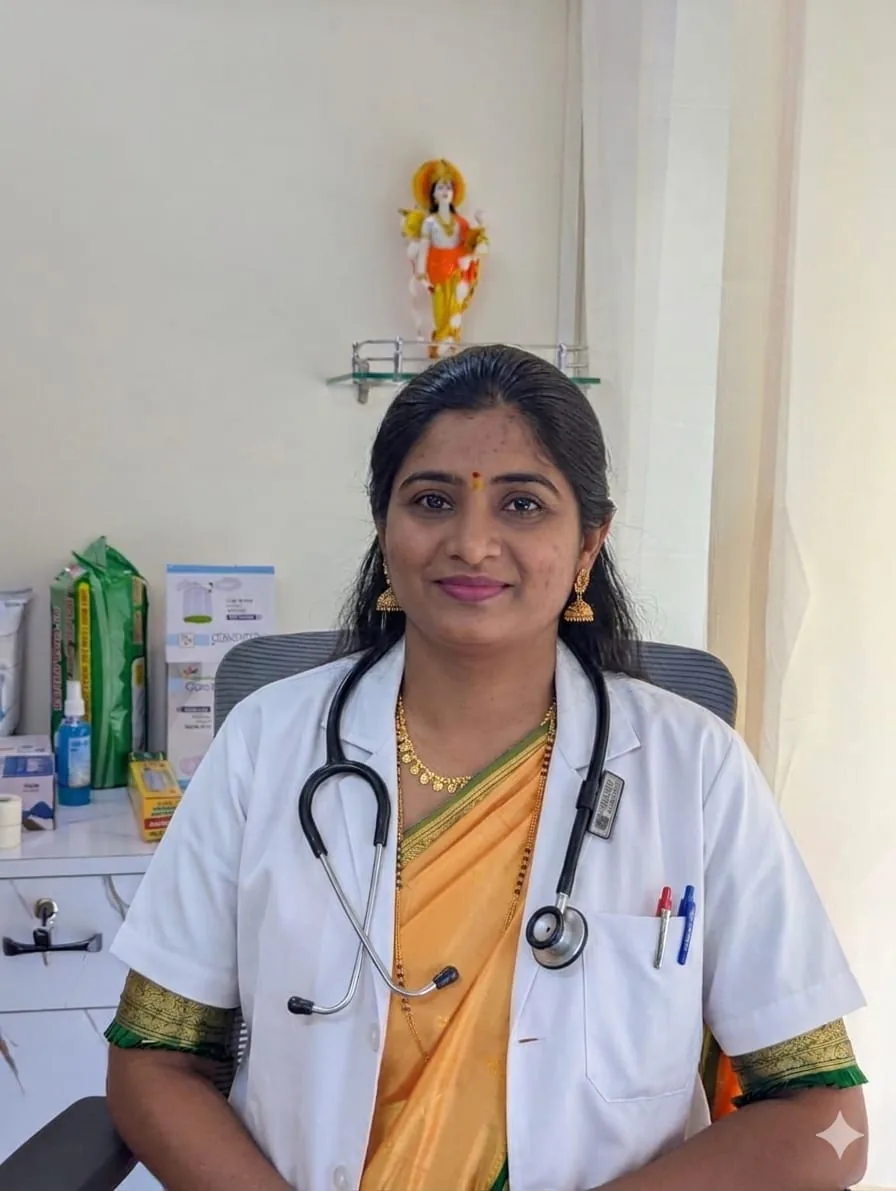
Book a consultation in Ravet
Assessment comes first — we do not apply a standard package to everyone. Consultations run Monday to Sunday, 9:00 AM to 8:00 PM, closed Wednesdays. Please bring any recent investigations or reports with you.
Related treatments
This page is general health information about classical Ayurvedic practice and is not a substitute for individual medical advice, diagnosis or treatment. Outcomes vary between patients and no outcome is guaranteed. Please consult a qualified physician before beginning any therapy, and do not discontinue prescribed medication without speaking to the doctor who prescribed it.